Renters Reform Bill - government announces next steps
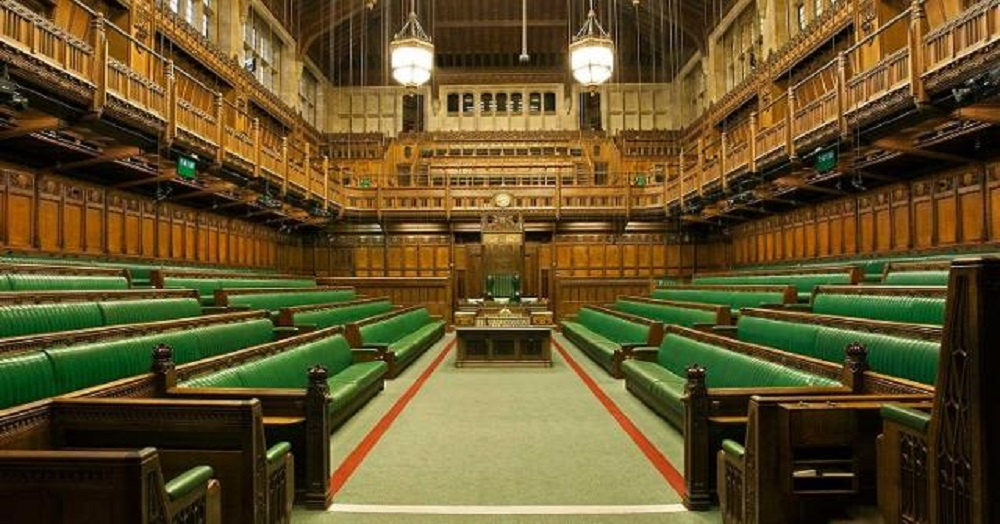
The Renters Reform Bill is to get its long awaited Second Reading on Monday, October 23. The claim comes from today’s Financial Times which exclusively reports that Prime Minister Rishi Sunak has given it his personal blessing to resume its progress through Parliament.
Some commentators claimed that a number of backbench Tory MP's were effectively vetoing the Bill but the FT reports: “Michael Gove, leveling-up secretary, is understood to have won the internal battle over the legislation and it will now have its crucial second reading in the House of Commons on Monday.
“There will then be a ‘carry-over motion’ which will allow the bill to make it through into the next parliamentary session that begins with the King’s Speech on November 7. “
Polly Neate, chief executive of campaigning charity Shelter, is quoted by the FT as saying: “Every day 540 people are slapped with a no-fault eviction notice and given just two months to find a new home. For them, needless delays and hold-ups to making renting safer and fairer are unacceptable.
“A robust Renters (Reform) Bill has the potential to free people from the constant threat of a no-fault eviction. It would reduce homelessness and hold landlords who let out unsafe homes to account.”
The Bill delivers the Tories’ 2019 manifesto commitment to abolish section 21 evictions which will - in the government’s words - “empower renters to challenge poor landlords without fear of losing their home. “
The new Bill also claims to “protect” over two million landlords, making it easier for them to recover properties when they need to – so they can sell their property if they want to, move in a close family member, or when tenants willfully do not pay rent.
Notice periods will also be reduced where tenants have been irresponsible – for example breaching their tenancy agreement or causing damage to the property.
There will also be a “reformed courts process … for the minority of evictions that do end up in the courts, more of the process will be digitised – reducing delays.”
A new mandatory Ombudsman for landlords will be introduced while a new digital Property Portal will list landlords’ obligations “and help tenants make better decisions when signing a new tenancy agreement.”
Tenants will also be given the legal right to request a pet in their home, which the landlord must consider and cannot unreasonably refuse.
Landlords will be able to require pet insurance to cover any damage to their property.
The government will also bring forward legislation as part of the Bill to:
- apply the Decent Homes Standard to the private rented sector for the first time;
- make it illegal for landlords and agents to have blanket bans on renting to tenants in receipt of benefits or with children:
- strengthen councils’ enforcement powers and introduce a new requirement for councils to report on enforcement activity.
If you are a landlord and are concerned about the impending changes that are going to happen, then please do get in touch with us and we can put you in touch with someone who can answer any questions and concerns you may have.